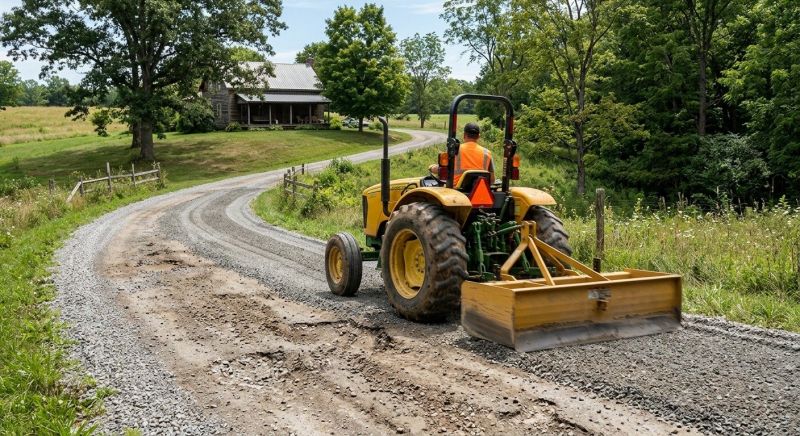
Lawn Leveling in Houston, TX
Lawn leveling services focus on correcting uneven or sloped areas of a yard to create a smooth, stable surface. This process typically involves filling in low spots, reducing high areas, and ensuring proper drainage. Projects can range from minor adjustments to large-scale renovations, including leveling new lawns, fixing settling areas, or preparing a yard for landscaping and planting. Homeowners often seek this service to improve the appearance of their yard, prevent erosion, and create a safer, more functional outdoor space.
Before requesting lawn leveling, property owners usually want to understand the extent of the unevenness, the types of materials or methods used, and how the process might impact existing landscaping or drainage patterns. It's also helpful to know whether the work involves adding soil, grading, or other techniques to achieve the desired levelness. Clear communication about the current condition of the lawn and the goals for the project can help ensure the results meet expectations.
Many property owners in Houston, TX look into Lawn Leveling for repairs, replacements, upgrades, and appearance-related improvements.
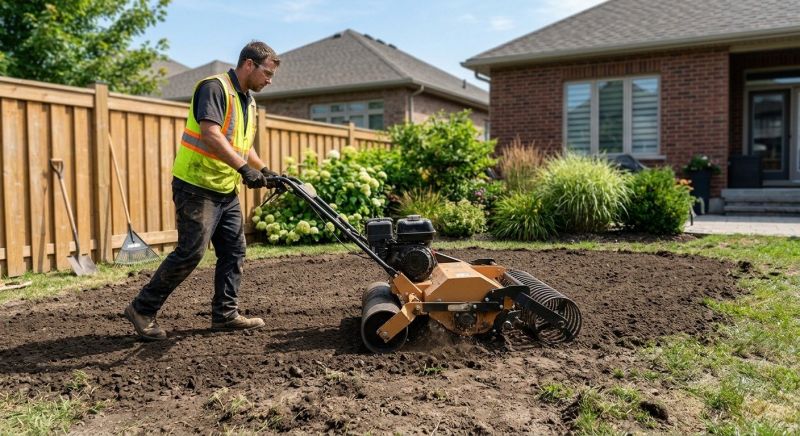
Benefits Of Lawn Leveling
Proper lawn leveling helps prevent water pooling and promotes healthy grass growth.
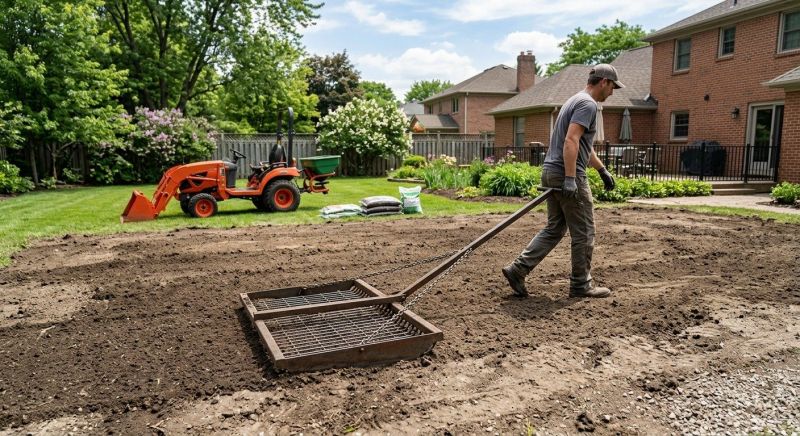
Common Lawn Unevenness Causes
Soil settling, heavy foot traffic, and poor initial grading can lead to uneven lawns in houston neighborhoods.
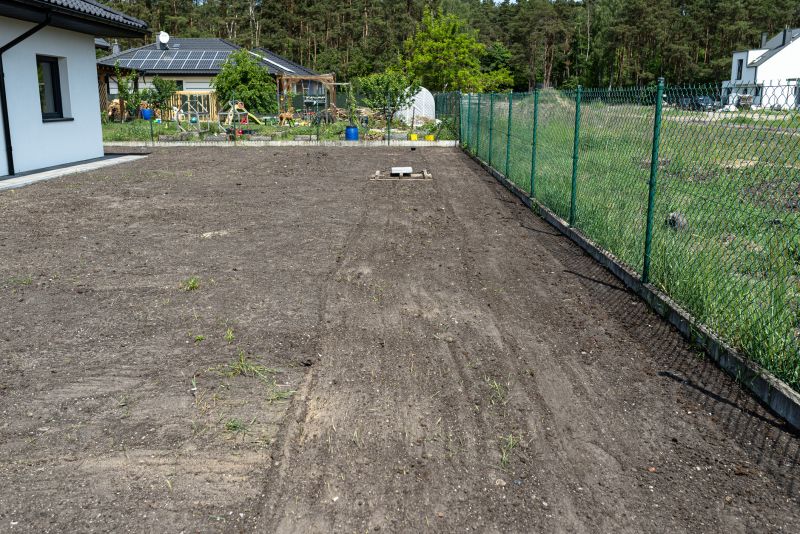
Lawn Leveling Techniques
Different methods like grading and topdressing are used to achieve a smooth, even yard surface.
Lawn Leveling in Houston, TX

Lawn leveling services focus on correcting uneven or sloped areas of a yard to create a smooth, stable surface. This process typically involves filling in low spots, reducing high areas, and ensuring proper drainage. Projects can range from minor adjustments to large-scale renovations, including leveling new lawns, fixing settling areas, or preparing a yard for landscaping and planting. Homeowners often seek this service to improve the appearance of their yard, prevent erosion, and create a safer, more functional outdoor space.
Before requesting lawn leveling, property owners usually want to understand the extent of the unevenness, the types of materials or methods used, and how the process might impact existing landscaping or drainage patterns. It's also helpful to know whether the work involves adding soil, grading, or other techniques to achieve the desired levelness. Clear communication about the current condition of the lawn and the goals for the project can help ensure the results meet expectations.
Many property owners in Houston, TX look into Lawn Leveling for repairs, replacements, upgrades, and appearance-related improvements.
Common Lawn Leveling Jobs
Lawn leveling services - help create an even surface for healthier grass growth and improved drainage.
Uneven yard correction - addresses slopes and dips that can cause water pooling and uneven mowing.
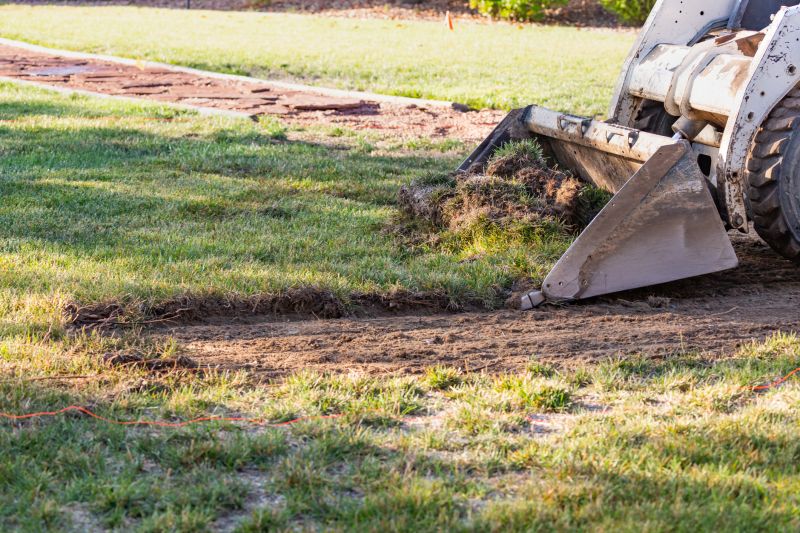
Ground smoothing - involves removing high spots and filling low areas for a more uniform lawn.
Soil grading - improves soil stability and prevents erosion by shaping the landscape properly.
Hollow spot filling - fills in depressions to reduce tripping hazards and enhance lawn appearance.
Landscape leveling - prepares the yard for planting, reseeding, or new sod installation.
Lawn Leveling Questions
What is lawn leveling? Lawn leveling involves adjusting soil to create a smooth, even surface, reducing bumps and dips for better appearance and drainage.
Why should property owners consider lawn leveling? Proper leveling improves lawn aesthetics, prevents water pooling, and promotes healthier grass growth.
What types of projects typically require lawn leveling? Common projects include addressing uneven terrain after grading, fixing erosion issues, or preparing a yard for landscaping.
How does lawn leveling benefit a property? It enhances the overall look, improves drainage, and creates a safer, more functional outdoor space.
Request Lawn Leveling in Houston, TX
Use the quote form on this page to share the basics of your project and request more information for the type of work you need.